Apps Where You Choose What Happens in the Story: How Much Control You Get

Quick take: a ladder with three rungs
Searches for apps where you choose what happens in the story hide a sharper question: how much can you decide? On DRAMAGO the answer is a ladder with three rungs, beat choices inside episodes, endings that fork at the route level, and entering a world beyond the finale, and each rung lives in its own set of titles.
This piece is for people who want to know, before installing anything, exactly how much steering they will hold. One calibration comes first: DRAMAGO is an AI-native cinematic entertainment platform whose titles center on what you watch and hear rather than on text you read, so prose adventures and interactive novels are a different aisle, and no comparison is attempted here. The catalog holds fifteen AI live-action dramas as of November 2026, eleven of them interactive. The three rungs below map what those eleven can hand you.
| Rung | What you decide | Where it lives |
|---|---|---|
| Beat choices | What happens next at story nodes | All eleven interactive titles |
| Different endings | Which finale or route the story settles into | Three titles: The Queen's Taming Rules, Sterling Lies, Blood on the Badge |
| Entering a world | What you do inside the story beyond any single run | DRAMAGO Worlds |
One honest note shapes the whole table: the rungs are different capabilities, not marketing tiers, and they do not blend — a beat choice is not an ending, an ending is not a world. Route-level consequences concentrate in three of the eleven titles; the rest trade that depth for lighter, scene-level steering, stated as fact rather than apology.
The control map: Granularity, not generosity, is what separates these titles, and the finer the grain, the fewer the entries.
Rung one: beat choices inside the episode
The base rung is the story node: the drama pauses at a fork, offers options, and your call redirects what happens next. All eleven interactive titles carry this mechanic, so the rung is universal, but its weight varies, because a choice that changes the scene you watch is real steering while a choice that only swaps a line is not.
In practice, the scene that follows can turn warmer or colder, a character can stay or walk out, a moment can land differently. The official description of the mechanic is one line, that choices at the nodes affect the story's direction and the experience, with interaction serving the story rather than performing for its own sake.
That description is also the effectiveness test. Not every fork deserves the word choice. A real one changes something you can see: the scene that follows, the tone it carries, the beat a character spends on screen. A hollow one only swaps a line of dialogue while everything plays out identically, and picks that change nothing wear thin quickly, while choices that genuinely steer are what hold a viewer's commitment. Knowing which kind a title offers, before you press play, is the whole game at this rung.
How far a choice travels is the second variable. Eight of the eleven, Taste of Plus Love, I Stole My Sister's Billionaire Alpha, Your Highness, Come Ashore, Marked by the Vampire Emperor, Oops! My Ex's Stepdad Is the Devil Himself, Forbidden Rules to Tie a Princess, The Price of Yes, and Two Thrones, One Queen, spend your decisions on experience and relationship shifts, with no branch tree and no alternate finale. Those choices are real at the beat level; they just do not re-route the ending. Route-level weight concentrates in three builds, and those belong to the second rung.
Between decision points, an interactive title plays like ordinary filmed drama, vertical episodes of two to three minutes.
The beat rule: A choice that changes the beat is standard across the shelf; a choice that changes the ending is concentrated in three titles, and knowing which is which saves an evening.
Rung two: different endings
The second rung is endings: choices stop shaping moments and start settling which finale you reach. Three architectures exist as of November 2026, two endings in a romance, three character routes in a mystery, and fourteen branches in a detective thriller, and each rewards a different kind of second run.
At this rung, replay becomes the intended loop rather than a workaround, and the three architectures below form a ladder of their own.
Two endings: The Queen's Taming Rules
A-tier, 40 episodes, live since June 9, 2026, closing on exactly two finales. Its strength is the entry price: one decisive fork, one second run, and you have walked the whole architecture, the lowest-cost introduction to multi-ending viewing in this catalog. The honest limit: the fork sits at the ending layer, so mid-route choices do not open a branch grid, and once both finales are walked the title is fully covered.
Three routes: Sterling Lies
S-tier, 74 episodes, live since April 3, 2026, the platform's first large-scale interactive drama. It is a mystery told through three character lines, traced through Sander, Julian, and Leo: one production, three complete readings, where each route follows its own lead and the choices at the story's nodes decide which line a viewer keeps, so a second run is a second story rather than a rerun. The honest limit: these are perspective forks rather than an investigation grid, a suspense piece that works psychologically more than forensically.
Fourteen branches: Blood on the Badge
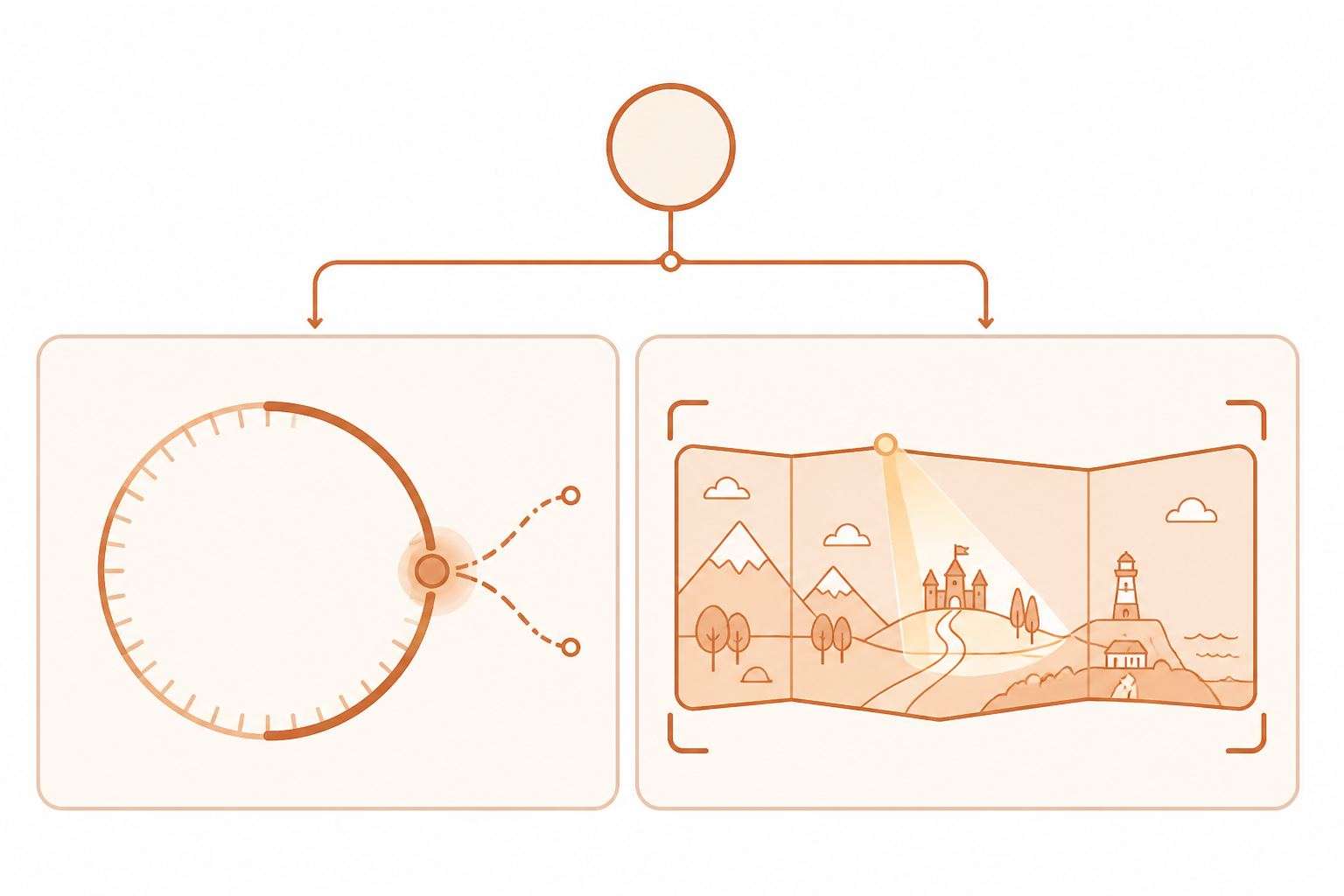
S-tier, 87 episodes, live since August 15, 2026, the platform's second large-scale interactive drama and the deepest branch architecture in the catalog. Over its 14 branches it stacks three mechanics: story choices, QTE timed decisions that arrive with a countdown and demand your call within seconds, and panoramic scene exploration, which hands you the camera's job of deciding where to look. The two finer mechanics live on this one title rather than across the shelf, which is itself the finding: the finer the control, the fewer the entries that can carry it. The companion piece on interactive crime dramas takes this title in depth.
A second ending is a reason to return; a branch grid is a reason to stay, so pick by how many times you plan to come back rather than by raw episode count. With episodes of two to three minutes, even the 87-episode flagship fits fragmented evenings, and each route of the 40-episode romance fits one sitting.
The honest limit at this rung is structural. Branches, endings, and repeat runs are all pre-produced footage: a walked route stays walked, and once you have covered an architecture, the characters stop responding and your history inside the story does not carry forward. Your decisions are fully real within the content that exists and finite against it. That ceiling is not a flaw; it is the boundary the third rung answers.
The endings rule: Endings are not a count; they are an architecture, and the ladder runs from a single fork to a grid.
Rung three: entering a world
The third rung steps off the choice ladder: DRAMAGO Worlds takes the characters and worlds introduced by the dramas and opens them as Story Worlds you can enter and keep exploring beyond the episodes. DEADWOOD is the first Story World in DRAMAGO Worlds, growing out of the world introduced in Blood on the Badge.
The first two rungs answered how much of a filmed story you can steer; they did not answer what happens after the content runs out. DRAMAGO Worlds is an AI-powered interactive storytelling experience built around the characters and worlds introduced through DRAMAGO's dramas, and it gives audiences a way to enter and continue exploring those Story Worlds beyond the episodes.
The relationship is a hand-off, not a rename. Interactive dramas are how you come to know a story, its characters, and its world; DRAMAGO Worlds is where you enter that world and keep exploring it. The two are consecutive experiences, not two names for one product.
DEADWOOD is the first Story World in DRAMAGO Worlds, growing out of the world introduced in Blood on the Badge. The series supplies the worldbuilding, the characters, and the established plot; the Story World organizes them into a world that can be entered repeatedly, with the drama as an entry point rather than the endpoint. The platform's anchor line says it plainly: the story doesn't end when the episode ends.
What changes at this rung is your role, from viewer to chooser to participant acting inside a world that already has its own rules, characters, and history. You decide what you do there and carry the consequences; you are not the author of the world, and no rung of this ladder hands you the script.
One name to keep separate while you climb: DRAMAGO Worlds is the audience-facing experience, while DRAMAGO AI is the production environment where filmmaking teams make the dramas. The DRAMAGO Worlds page carries the experience side, and for the conversational side of the ladder, the companion piece on talking to characters maps choices that answer back and character chat between episodes.
The world rule: Rungs one and two decide what happens in the story; rung three is where you stop being only the person it happens to.
Pick your rung
One question sorts you onto the ladder: how much of the story do you want on your side of the fence? The table matches each rung to the titles that carry it, with episode counts and architectures, so you can buy the ticket that matches the evening you are planning.
| Rung | Pick it when | Start with |
|---|---|---|
| Beat choices | Light budget, first visit, calls at story nodes | Any interactive title; light starts at Forbidden Rules to Tie a Princess or The Price of Yes, 30 episodes each |
| Beat choices that settle something | Decisions should accumulate into different finales | The Queen's Taming Rules, two endings; Sterling Lies, three routes |
| Maximum density | Timed calls, scenes to explore, the deepest grid | Blood on the Badge, 14 branches across 87 episodes |
| Entering a world | You want to act inside the story, not only steer it | DRAMAGO Worlds — DEADWOOD, its first Story World, grows out of Blood on the Badge |
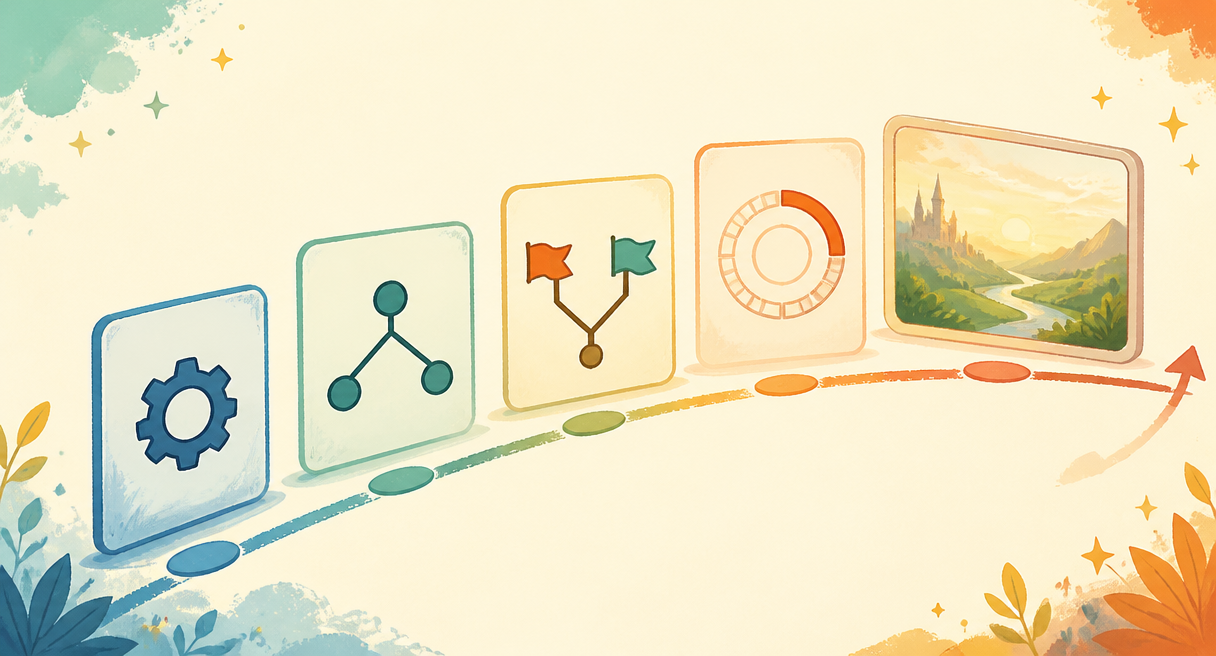
The entry path that works for most people runs down the table: a short A-tier title to feel the beat level, a multi-ending build once you want choices that count, the flagship when you want the full span in one place. The fourth row is a different kind of step, described rather than ticketed here; every title in the first three rows is browsable in the app's drama library.
The span rule: Match the span of control to how much steering you actually want, and read the rung labels before you buy the ticket.
FAQ: choosing what happens
The five questions below are the ones this ladder generates most: whether choices genuinely change what happens, whether you can watch without choosing at all, which title carries the most endings, whether choosing ever turns into writing the story yourself, and how DRAMAGO Worlds relates to the production environment DRAMAGO AI.
Do my choices really change what happens?
Yes. At story nodes your calls affect the story's direction and the experience everywhere, and on three titles they settle different finales: two endings, three routes, and fourteen branches respectively. On the other eight, choices shift experience and relationships without re-routing the ending, and those titles say so.
Can I watch without choosing at all?
Four of the fifteen titles in the library as of November 2026 run linear start to finish, A Crown of Venom across its three seasons and My Mind, His Playground, for viewers who never asked to choose.
Which title has the most endings?
Blood on the Badge, with 14 branches across 87 episodes, plus QTE timed decisions and panoramic scene exploration layered over them. It has been live since August 15, 2026, and no other title in the catalog comes near that branch count.
Does choosing mean writing the story?
No. Choosing steers a filmed story inside branches that were produced in advance; your role runs viewer, then chooser, then participant inside a story that already exists. Nothing in the catalog lets you author the script or generate your own plot, and that boundary holds all the way up the ladder.
Is DRAMAGO Worlds the same thing as DRAMAGO AI?
No. DRAMAGO Worlds is the audience-facing experience of entering and exploring Story Worlds; DRAMAGO AI is the production environment where film teams collaborate to make the dramas. The two names are not interchangeable.
The ladder above is one spoke of the DRAMAGO overview, which maps the platform from interactive dramas to DRAMAGO Worlds and back.